Winterising a Short-Term Rental: A Host's Checklist
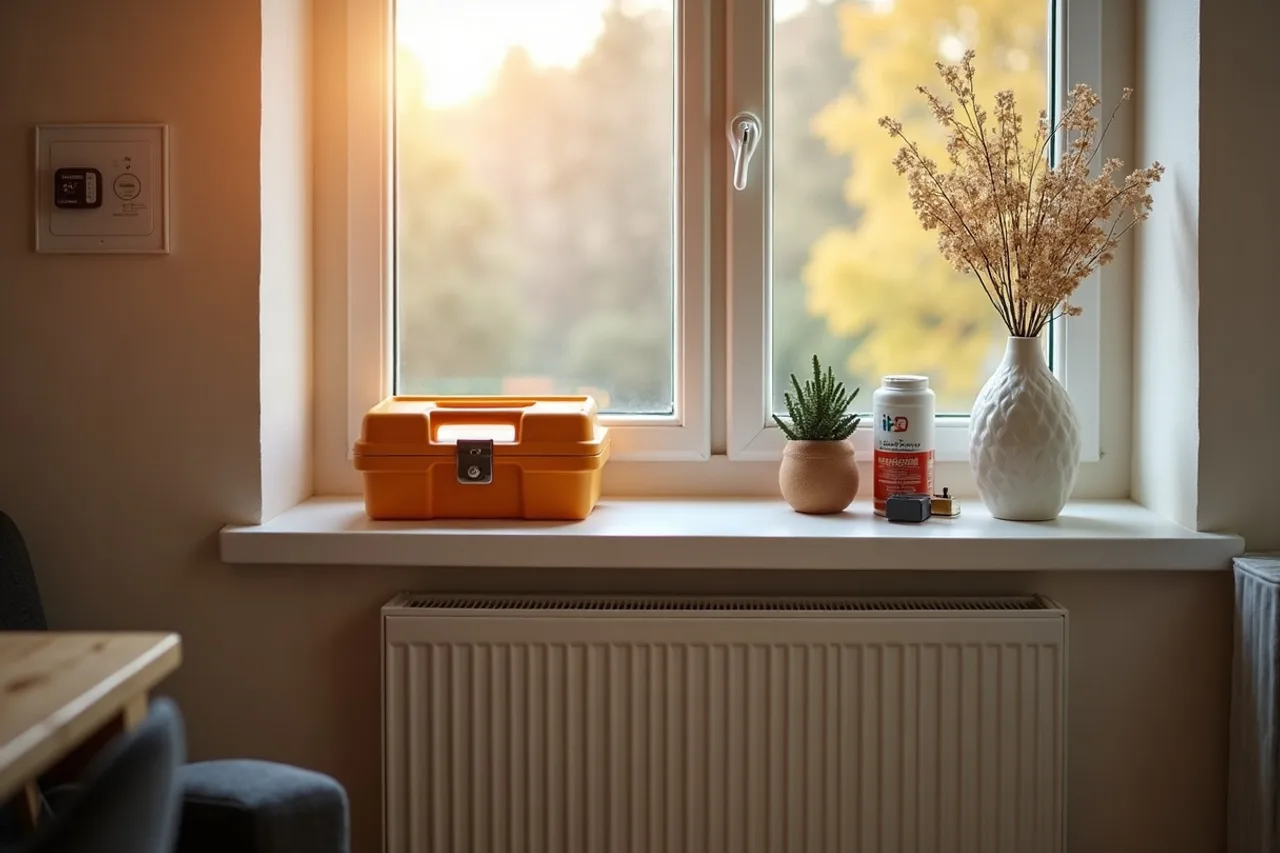
Heating service before the season, ventilation check and CO detector, draught-proofing and low-occupancy maintenance. A checklist to get the flat ready for the cold months.
READY-MADE STR DOCUMENTATION
Get your documents ready in 2 evenings.
Before your municipality asks.
Instead of writing documents from scratch (40+ hours) or paying a lawyer (£1,500+), download ready-made templates aligned with Polish STR law and the UC135 bill.
Getting your rental ready for autumn and winter: a host's pre-heating-season checklist
The end of summer is a natural review point for a host: occupancy drops, calendar gaps grow longer, and the unit has dozens of turnovers behind it. It's the best time to prepare the apartment for the cold months - before the first frost tests your heating with a guest mid-stay. Below is a practical checklist, from installations and seals to amenities and your listing. You can't prevent every failure, so keep your mid-stay breakdown procedure ready in parallel.
Key takeaways
- Service the heating in September or October, before the heating season peaks - in December, service call lead times are the longest of the year
- Winter is carbon monoxide season: flue and ventilation inspections plus a working CO detector matter more than ever
- Sealing windows and doors pays off twice: lower bills and no "cold apartment" complaints
- Low autumn occupancy is your window for jobs impossible in season: upholstery cleaning, painting, appliance replacements
Heating: service before the season, not during it
- Gas boiler: an annual service before the season - the technician checks tightness, pressure and the burner; keep the service report in your property records
- District heating and radiators: bleed the radiators, check thermostatic heads, report underperforming risers to the administration early
- Electric heating and AC with a heating mode: test the heating mode and clean the filters - the unit that cooled in summer often becomes the main heat source in winter
- Thermostats and remote control: set a minimum temperature maintained between stays; remote temperature monitoring doubles as an early warning of a heating failure in an empty unit
Ventilation and safety: winter is CO season
The risk of carbon monoxide poisoning rises in the heating season - windows stay shut, appliances burn fuel, and chimney draught can be disturbed. Your autumn review should cover:
- flue and ventilation duct inspection (in multi-family buildings usually organised by the building manager - confirm your unit was covered and ask for proof)
- testing the CO and smoke detectors and replacing batteries unless they're long-life models - the full list is in our guide to apartment safety equipment
- window trickle vents: open them for winter instead of taping them shut - sealed windows without airflow mean damp, mould and worse chimney draught
- a reminder in the apartment guide not to block ventilation grilles and never to heat the unit with the gas hob
Windows, doors and damp
- adjust window fittings to the winter setting (stronger sash pressure) and replace worn seals
- check the entrance door seal and threshold - a gap under the door to the stairwell can chill the whole hallway
- inspect for damp: dark patches in corners and around windows are a signal to act now, not in January
- if the unit sits empty for weeks, consider a hygrometer and a maintained minimum temperature - a cold unit picks up damp faster
Seasonal amenities: what to add, what to store
| Area | Add for winter | Store or check |
|---|---|---|
| Bedroom | warmer duvets, extra blankets, bedspreads | wash and vacuum-pack the summer duvets |
| Hallway | indoor doormat, shoe tray, space for wet coats and umbrellas | check the outdoor doormat |
| Bathroom | extra towels, a drying rack | check the bathroom heating output |
| Living room | blankets, mood lighting (it gets dark early) | clean and store the summer fan |
| Tech | spare batteries, a torch, lock de-icer by the key box | test the key box and lock against frost and moisture |
Small touches like blankets and a kettle with tea cost little and show up in winter reviews surprisingly often. If you have a balcony or terrace, secure the outdoor furniture and shut off the outdoor tap valve - a frozen pipe is the classic costly spring surprise.
The entrance area: snow, ice and liability
Before winter, establish who is responsible for clearing and gritting the approach to the building - in apartment blocks usually the building manager, in houses and units with separate entrances often you as the owner. Icy steps mean a guest accident risk, and the question of proper maintenance comes back to the host; that's one more reason to hold host liability insurance. Add a shovel and sand or salt to the seasonal kit, and an entrance check to the cleaner's turnover list.
Listing and calendar for the low season
Winter prep is also a business exercise. Refresh the listing: photos with warm evening lighting work better in autumn than summer shots with the balcony open, and the description should state working heating and cold-weather amenities outright. Review pricing for longer stays - autumn brings more work-related bookings and month-long stays. Use the longer calendar gaps for jobs impossible in season: upholstery and mattress cleaning, touch-up painting, replacing the worn-out equipment your cleaning checklist flagged all season.
Frequently Asked Questions (FAQ)
What's the latest I should service the heating?
Ideally September or October, before the heating season starts and the service queues form. A November or December service means longer waits, and a failure discovered at the first frost means stays without heating and guest compensation.
What temperature should an empty apartment be kept at between bookings?
High enough to protect the unit from damp and the installation from chilling - in practice usually somewhere in the low-to-mid teens Celsius. Switching heating off entirely looks like savings, but reheating a cold unit before arrival takes hours, and the damp and freezing risks grow. A remotely controlled thermostat lets you raise the temperature a few hours before check-in.
Do I have to tell guests about maintenance work in the building?
If disruptive work is planned during their stay (a chimney inspection requiring entry, water shut-offs, stairwell renovation), warn the guest before arrival - ideally before booking, if you know about it. Concealing a nuisance is a straight path to a complaint and a refund demand.
What about an apartment I don't rent at all in winter?
Secure it like a seasonal property: minimum temperature or drained pipes, valves shut, fridge emptied and left open, a check every few weeks. Remember the formalities too if you pause the business for longer - keep your platform listings updated to match the actual state.
Don't want to search for templates and regulations on your own? The HostReady Package includes complete documentation, ready-to-use templates, and checklists - everything you need for CWTON registration and legal short-term rental, ready to use right after purchase.