IMU and Tassa di Soggiorno for Italian STR 2026
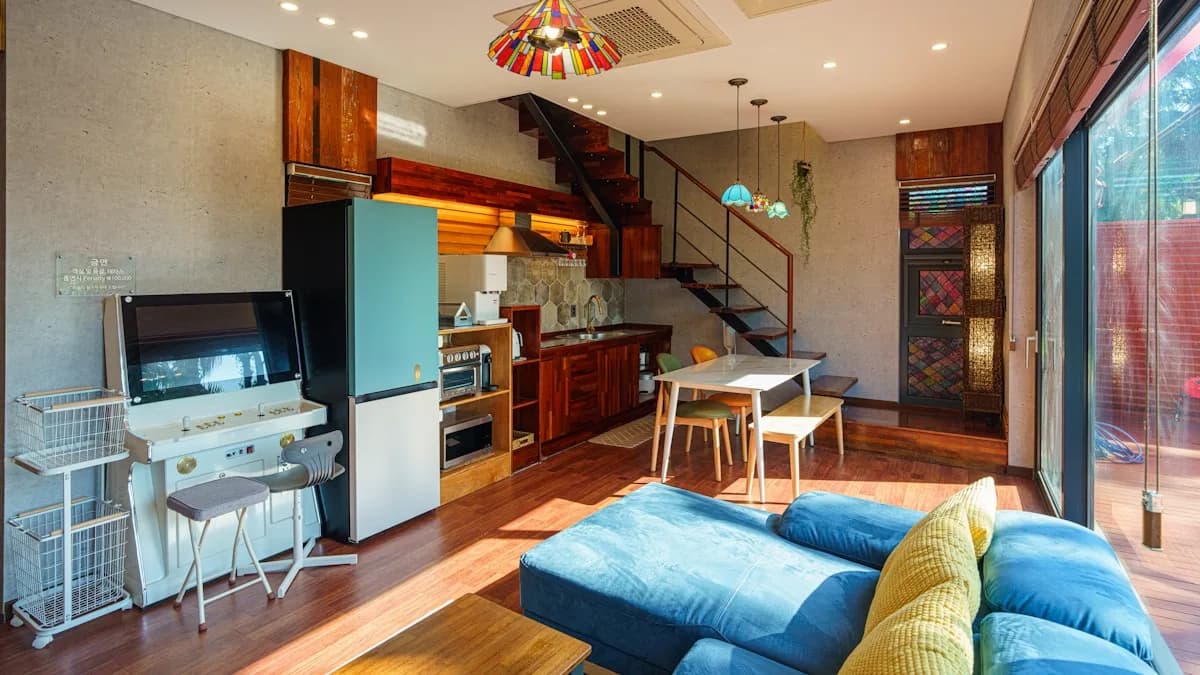
Non-residents pay IMU at the second-home rate of 0.86-1.14% of cadastral value. Plus many municipalities add a 'tassa di soggiorno' (€1-€7/night) hosts must collect.
READY-MADE CIN DOCUMENTATION
Get CIN-compliant in 2 evenings.
Italian STR without the stress.
Instead of drafting documents from scratch (40+ hours) or paying a consultant (€2,000+), download ready-made templates compliant with DL 145/2023 and the BDSR national registry.
IMU and Tassa di Soggiorno on Italian Short-Term Rentals 2026: The Two Local Taxes Foreign Owners Keep Getting Wrong
IMU (the Italian municipal property tax) and the tassa di soggiorno (tourist tax) are the two local charges that sit entirely outside your cedolare secca and are therefore the ones foreign owners most often miss. IMU is an annual property tax you owe on your Italian second home regardless of whether you rent it, running roughly 0.76% to 1.06% of the revalued catastal value and paid in two instalments. The tassa di soggiorno is a per-person, per-night charge you collect from the guest and pass to the comune - EUR 10 in Rome, EUR 12 in Milan (up to EUR 17 during the 2026 Olympics), EUR 8 in Florence's UNESCO zone. This guide explains how each works, the deadlines, how to pay from London or New York, and the trap that turns a EUR 24 tourist tax into a criminal matter.
If you run an Italian apartment from abroad, your tax mental model is usually built around income tax: cedolare secca at 21% on the first property, 26% on the second through fourth (Legge di Bilancio 2024, confirmed by the Manovra 2026). But IMU and the tassa di soggiorno are not income taxes and cedolare does not absorb them - IMU is owed by you as owner, the tassa di soggiorno by your guest but collected and remitted by you. Getting either wrong is one of the most common and most avoidable enforcement triggers for non-resident hosts in 2026.
IMU: the property tax you owe whether you rent or not
IMU (Imposta Municipale Unica) is an annual tax on property ownership. The key point for a foreign owner: your Italian apartment is almost always a "second home" (seconda casa) because your prima casa - the home where you are resident - is abroad, and second homes do not get the primary-residence exemption. So IMU is due every year for as long as you own the property, and it is completely separate from how you tax your rental income: whether you elect cedolare secca, pay IRPEF, or leave the flat empty, the IMU bill is identical. It is a cost of ownership, not of renting.
How IMU is calculated
The base is the rendita catastale recorded for your property, revalued and multiplied by a coefficient, then taxed at the rate (aliquota) set by your comune:
- Take the rendita catastale from your visura catastale.
- Revalue it by 5%.
- Multiply by the category coefficient (160 for most residential units, category A excluding A/10).
- Apply the comune's IMU rate for second homes, which typically ranges from about 0.76% to the legal maximum of 1.06%.
As a rough figure, a non-resident second-home owner tends to see IMU of around 1.06% of the revalued catastal value - for a typical city apartment often somewhere from the low hundreds of euros to over a thousand per year, depending heavily on location and the comune's rate. Confirm the exact rate on your comune's website each year, since rates can move.
IMU deadlines and how to pay from abroad
IMU is paid in two instalments each year:
| Instalment | Deadline | What it covers |
|---|---|---|
| Acconto (first) | 16 June | Half the year's IMU, based on the prior year's rates |
| Saldo (second) | 16 December | Balance, adjusted for the current year's rates |
Payment is made on the F24 form - for a non-resident, the same practical obstacle as paying cedolare secca:
- Through your commercialista: the most common route. They compute the amount, pre-fill the F24, you SEPA them the funds, they execute - often bundled into the annual fee (roughly EUR 250 to 500 for a single property).
- From an Italian bank account via online banking: Intesa Sanpaolo, UniCredit and BNL all support F24 for non-resident account holders, free if you hold the account.
- Directly on the Agenzia delle Entrate site with SPID: file the F24 online with debit from an Italian IBAN, which requires a SPID for non-residents (see the CIN BDSR guide for non-resident owners).
Late IMU accrues interest and a percentage sanction, but you can reduce the penalty sharply through ravvedimento operoso (voluntary correction): the sanction is far smaller if you self-correct within 30 or 90 days than if the comune assesses you first. Budget too for TARI (the waste-collection tax): comune-specific, typically a few hundred euros a year, owed by whoever holds the property, not absorbed by cedolare, and often billed at a higher non-domestic or seasonal tariff for a short-term rental - so confirm the classification.
Tassa di soggiorno: the tax your guest pays and you collect
The tassa di soggiorno (TMT, tourist tax) is fundamentally different from IMU: it is not your tax but the guest's. Your role is to collect it and remit it to the comune - you are a collection agent, and that framing matters enormously when things go wrong (see the criminal trap below).
Key mechanics, grounded in DL 23/2011 art. 4 and the individual comune regulations:
- Charged per person, per night - not per booking. Three guests for two nights is six taxable person-nights.
- Applied from the first night, usually up to a cap of around 7 consecutive nights per stay (beyond which the stay is often exempt; the exact cap varies by comune).
- No VAT - it is a local levy, not consideration for a service, so it never carries IVA.
- Standard exemptions commonly include children under 14 (some comuni set 12 or 18), documented medical reasons, and disability of 60% or more.
2026 rates in the major cities
| City | Indicative 2026 rate (short-term rental / B&B tier) | Notes |
|---|---|---|
| Rome | Around EUR 4 for CAV/B&B; up to EUR 10 for luxury tiers | National maximum; monthly declaration by the 16th |
| Milan | EUR 12/night (raised from EUR 7) | Additional c. EUR 5 during the Feb 2026 Olympics and March Paralympics |
| Venice | EUR 3.50 to 5.00/night, seasonal | Plus a separate daily access fee for day-trippers |
| Florence | Around EUR 4 for B&B/CAV; up to EUR 8 for 5-star | UNESCO historic centre; new authorisations restricted |
| Bologna / Naples / Turin | Roughly EUR 3 to 5/night | Smaller comuni often EUR 1 to 2 |
Rates change - Milan's Olympic surcharge is the clearest 2026 example - so always confirm the current figure on your comune's tourist-tax portal before configuring your listing. Worked example, Florence: 3 guests, 2 nights at EUR 4 = 3 x 2 x 4 = EUR 24 to collect and remit.
Three ways to collect the tassa di soggiorno
How you collect it affects both your reviews and your bookkeeping. Platform auto-collection (Airbnb tax collection) is cleanest - the amount is baked into what the guest pays online; Airbnb has agreements with Rome, Milan, Florence and other large cities, Booking.com is expanding coverage, and it removes the check-in cash surprise entirely. Check-in cash or card keeps the tax visibly separate but risks a guest venting about an unexpected EUR 24 to EUR 40 request. Check-out on a final receipt suits owners who issue a receipt or invoice, where the tax appears as a separate, VAT-free line.
Whichever route you choose, state the exact per-person, per-night amount in your listing description and booking-confirmation message. An unexpected charge at the door is a common cause of an otherwise avoidable poor review - a point that ties into rating maintenance in the Superhost guide for Italy. On a receipt or invoice, the tax must always appear as a separate line, without VAT (it is a pass-through, not invoiced income, so it never feeds into your cedolare secca base).
Deadlines: the monthly declaration you cannot skip
Most large comuni require a monthly declaration and payment of the tourist tax you collected, generally by the 16th of the following month, via the comune's portal or an F24 (Rome and Milan use dedicated online platforms). Missing the declaration is a separate administrative violation even if you eventually pay the money. Build it into a fixed monthly routine: reconcile the nights hosted, subtract exempt guests, compute, file and pay - a 30-minute task for a single property once set up.
The criminal trap: collecting but not remitting
Here is the single most important distinction for a foreign owner. IMU is your own tax: pay it late and you face interest and an administrative sanction. The tassa di soggiorno is not your money - when you collect it from a guest you hold it on behalf of the comune. Collect it and fail to remit it, and you have retained public money entrusted to you, which Italian law treats far more seriously than a missed IMU payment: the tax owed plus a substantial surcharge, interest, and potential criminal liability for misappropriation.
The practical rule is simple: never treat collected tourist tax as cash flow. Ring-fence it and remit it on the monthly deadline. This is the one local-tax mistake that can escalate from an administrative nuisance to a criminal file.
How the two taxes fit with your income tax
To keep the whole picture straight for an Italian short-term rental owned personally by a non-resident: cedolare secca (21% / 26%) or IRPEF taxes your rental income, with no deductions under cedolare so IMU and TARI cannot be netted off (some costs are deductible under IRPEF, which is why very low-revenue properties sometimes still prefer it - see the cedolare secca guide for foreign landlords). IMU and TARI are property taxes you owe as owner, never absorbed by cedolare. And the tassa di soggiorno is the guest's tax, not income at all. Foreign owners get into trouble assuming "I paid cedolare, so my Italian taxes are done" - cedolare is income tax only, and the two local layers run in parallel on their own deadlines.
Frequently asked questions
Do I pay IMU if my Italian flat sits empty all year?
Yes. IMU is a tax on ownership of a second home, not on rental activity. An empty apartment owed by a non-resident still generates the full IMU bill, due in the June and December instalments. Renting it out changes your income tax position, not your IMU.
What is the fastest way for a non-resident to pay IMU?
If you already hold an Italian bank account, filing the F24 through its online banking is free and immediate. Otherwise, most non-resident owners let their commercialista compute and file both IMU instalments as part of the annual engagement, funding it by a SEPA transfer from abroad.
This article is for informational purposes only and does not constitute legal or tax advice. IMU rates, tourist-tax tariffs and deadlines are set at comune level and change frequently; the figures here are indicative for early 2026. Always verify the current rules for your specific property with your comune and a qualified Italian professional.
Don't want to search for templates and regulations on your own? The HostReady Package includes complete documentation, ready-to-use templates, and checklists - everything you need for CWTON registration and legal short-term rental, ready to use right after purchase.