IBI and Local Taxes for Spanish VUT 2026: Full Fiscal Guide
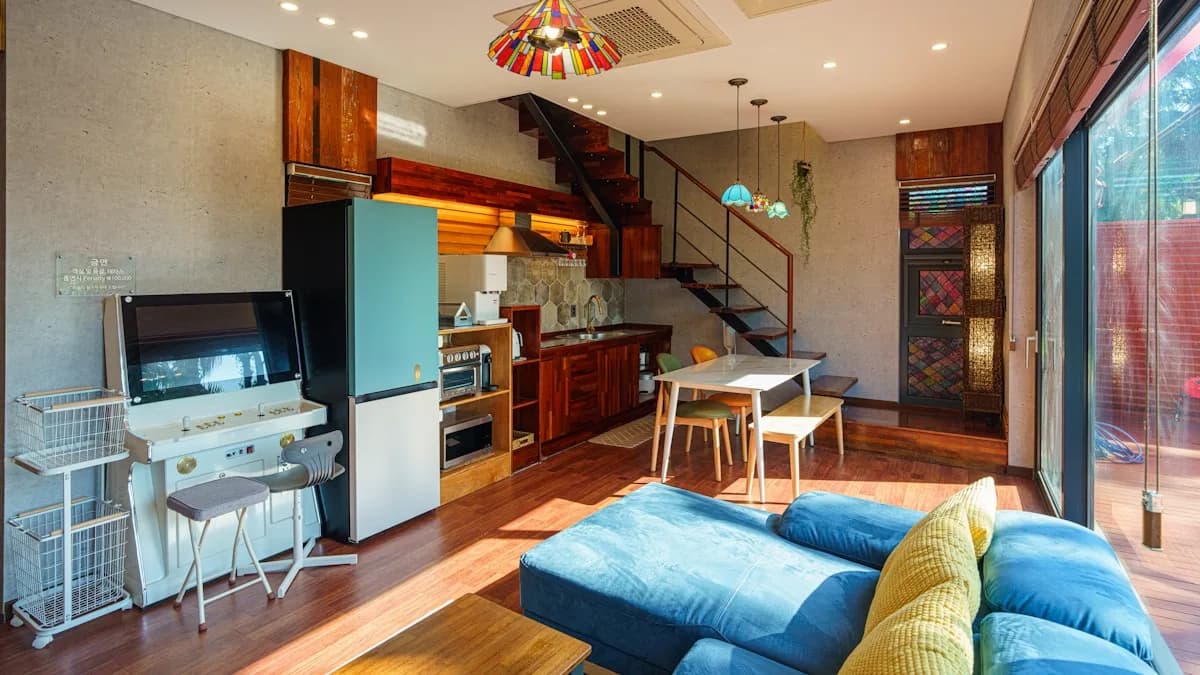
The IBI on a VUT may carry a 50-150% surcharge if the municipality applies the empty-property supplement. Plus commercial rubbish tax, IAE and ICIO on renovations.
READY-MADE VUT DOCUMENTATION
Get NRUA-registered in 2 evenings.
Spanish STR without the stress.
Instead of drafting documents from scratch (40+ hours) or paying a consultant (€2,000+), download ready-made templates compliant with Real Decreto 1312/2024.
Most non-resident VUT owners in Spain focus on income tax (IRNR, Modelo 210) and platform commissions but overlook the cluster of local taxes that erode net yield quietly every year. The IBI (property tax) may carry a 50% to 150% surcharge in municipalities that classify your VUT as a permanently unoccupied dwelling. The rubbish collection tax can triple if the local authority reclassifies your tourist rental as a commercial activity. And there is the IAE (business activity tax) registration, ICIO on renovation works and, in Catalonia and the Balearic Islands, an additional tourist tax. This is the complete fiscal guide to local taxes for Spanish VUT owners who manage their property from the UK, Ireland, the US or elsewhere.
IBI: Base Rate, Surcharges and the Tourist Rental Trap
The Impuesto sobre Bienes Inmuebles (IBI) is a municipal property tax governed by the Real Decreto Legislativo 2/2004 (Ley de Haciendas Locales, TRLHL). The taxable base is the cadastral value of the property (valor catastral), which is typically significantly below market value. The municipal rate (tipo impositivo) is set by each ayuntamiento within statutory limits: between 0.4% and 1.1% for urban properties.
The IBI calculation for a standard urban VUT is therefore straightforward: multiply the cadastral value by the applicable municipal rate. A property with a cadastral value of 120 000 EUR in Madrid (IBI rate 0.456%) pays 547 EUR per year in base IBI.
The complication for VUT owners is the surcharge provision in TRLHL Article 72.4, which allows municipalities to apply a surcharge of up to 50% on "permanently unoccupied residential properties". This provision was amplified by Ley 12/2023 por el Derecho a la Vivienda, which raised the maximum surcharge to 150% in municipalities declared as "mercados residenciales tensionados" (tensioned residential markets). The list of tensioned markets is growing rapidly in 2026, covering many of the most attractive VUT locations.
| Municipality | Base IBI rate | Tensioned market declared? | VUT surcharge risk |
|---|---|---|---|
| Madrid city | 0.456% | In process (2026) | Moderate: 50% surcharge debated |
| Barcelona city | 0.66% | Yes | High: surcharge applied to empty dwellings; VUT under review |
| Palma de Mallorca | 0.56% | Yes | High: 150% surcharge applied in some ETV cases |
| Málaga city | 0.494% | No | Low: standard rate applies |
| Seville | 0.60% | No | Low: standard rate applies |
| Valencia city | 0.50% | Partial (selected areas) | Moderate |
The key defence for VUT owners against an IBI surcharge for "vacant dwelling" is to demonstrate that the property is actively used as a licensed tourist accommodation, not vacant. Evidence includes: the active NRUA code and registration, SES.Hospedajes guest registration records showing actual occupancy, and the DAC7 (Modelo 238) report showing rental income received. If your municipality attempts to apply the vacant-dwelling surcharge to your active VUT, appeal immediately using these documents (see the appeal section below).
Rubbish Collection Tax: Residential vs Commercial Rate
The tasa de recogida de basuras (rubbish collection tax) is a municipal fee for waste collection services. Most municipalities have two rate tiers: residential (for permanent homes) and commercial/industrial (for businesses). A VUT that processes multiple guest turnovers per week generates significantly more waste than a primary residence and some municipalities have begun reclassifying active VUT properties as commercial users, with corresponding fee increases of 2 to 5 times the residential rate.
In practical terms:
- Barcelona: the taxa de residus sòlids urbans (waste tax) for residential use in a 70 m² apartment is approximately 150 EUR per year. For a property classified as "tourist accommodation", the commercial rate applies, which can be 400 to 750 EUR per year.
- Palma: the ayuntamiento formally distinguishes between "vivienda habitual" (residential rate) and "vivienda turística" (commercial rate in the waste fee schedule). The VUT commercial rate is 280 to 450 EUR per year, versus 90 to 140 EUR residential.
- Madrid: the tasa de recogida de basuras is calculated per square metre with a commercial coefficient for non-residential uses. A reclassified 70 m² VUT pays approximately 350 EUR per year versus 120 EUR for residential.
To avoid reclassification, ensure that the Catastro classification of your property remains "residencial" (not "comercial" or "terciario"). The Catastro classification can only be changed by a formal administrative act: it does not change automatically when you register a VUT. However, if a municipal inspector visits during a compliance check and finds the property operating as a full tourist unit, they can initiate a Catastro reclassification procedure.
IAE: Business Activity Tax Registration and When It Applies
The Impuesto sobre Actividades Económicas (IAE) is a municipal business activity tax governed by TRLHL Articles 78 to 91. The good news for most VUT owners is that natural persons (individuals) and entities with annual turnover below 1 000 000 EUR are exempt from paying IAE (Article 82 TRLHL). In practice, almost all individual VUT owners are below this threshold.
The bad news is that IAE registration (alta en el IAE) is still mandatory before starting the activity, even if you pay zero. You must file Modelo 840 (alta, variation and deregistration form for IAE) with the AEAT before the first rental. The registration declares the activity, the property address and the CNAE code (the Spanish business activity classification code for your specific type of rental).
Relevant IAE epigraphs for VUT operators:
- Group 685, Section 1 (Apartamentos y casas rurales): for VUT operated directly by the owner without hotel-type services. This is the correct epigraph for the vast majority of VUT owners.
- Group 661, Section 1 (Alojamientos turísticos extra-hoteleros): if you provide additional services such as breakfast, daily cleaning or concierge. This epigraph implies a higher level of service and potentially triggers VAT (IVA) obligations.
For a non-resident owner without a Spanish digital certificate, the IAE registration can be filed by your gestoría using a power of attorney. This is typically included in the gestoría's annual fee for managing your VUT compliance (200 to 500 EUR per year for a basic service).
ICIO: Construction and Renovation Tax
The Impuesto sobre Construcciones, Instalaciones y Obras (ICIO) is a municipal tax on construction and renovation works, levied at 2% to 4% of the declared budget for the works (presupuesto de ejecución material). It is triggered by the grant of a building licence (licencia de obras) from the ayuntamiento. No building licence, no ICIO, but also no legal works.
For a non-resident VUT owner renovating their Spanish property remotely, ICIO applies to:
- Installation of air conditioning (requires a building licence in most municipalities when a through-wall or exterior unit is involved).
- Window replacement with modification to the facade opening.
- Structural interior works (removing or adding partition walls, modifying floor plan).
- Roof or terrace waterproofing works above a certain cost threshold.
- Energy efficiency improvements (SATE external insulation, facade works).
Routine maintenance and cosmetic works (interior painting, flooring replacement without structural changes, kitchen unit replacement without plumbing modifications, furniture) generally do not require a building licence and are therefore not subject to ICIO. When in doubt, ask the local ayuntamiento's urbanismo department for a written ruling (consulta previa) before starting any works. A written ruling stating that no licence is required protects you from retrospective ICIO demands.
Regional Tourist Tax: Not a Local Tax but Collected Locally
Three autonomous communities impose a regional tourist tax (tasa turística or ecotasa) that is separate from municipal taxes but is collected per guest-night at the property level:
- Catalonia: 0.65 to 4.00 EUR per person per night depending on accommodation type and category. Airbnb collects and remits this tax directly on behalf of hosts in Catalonia. Booking.com properties must collect and remit it themselves on a quarterly basis (self-liquidation).
- Balearic Islands: 0.25 to 4.00 EUR per person per night (reduced in low season). The Ecotaxa Balear is collected directly by the VUT host and declared quarterly to the Agència Tributària de les Illes Balears via Modelo ATB-013.
- Valencia: 0.50 to 2.00 EUR per person per night since 2023. Self-declaration and self-payment by the VUT operator quarterly via the ATCV (Agència Tributària Valenciana).
For a non-resident owner, the quarterly filing of the regional tourist tax is best managed by a local gestoría, which can handle the payment via direct debit from your Spanish bank account.
How to Pay Local Taxes Remotely via a Gestoría
As a non-resident VUT owner, paying Spanish local taxes without being physically present in Spain requires the following setup:
- Open a Spanish bank account (CaixaBank, Santander, BBVA): required to receive direct debit mandates from the ayuntamiento for IBI and waste tax. Most ayuntamientos only accept direct debit, not international transfers, for small recurring taxes.
- Grant a limited power of attorney (poder notarial) to your gestoría: covers IAE registration, ICIO payments and any correspondence with the municipal tax office. Can be granted before a Spanish consulate notary in your home country.
- Verify IBI receipts annually: your gestoría should send you the IBI receipt each year and alert you to any surcharge being applied. If a surcharge appears, initiate the appeal process within one month of notification.
- Set up quarterly alerts for regional tourist tax deadlines: January (Q4 previous year), April (Q1), July (Q2), October (Q3).
How to Appeal an Unjust IBI Surcharge
If your municipality applies a "vacant dwelling" IBI surcharge to your active VUT, the appeal process is:
- Recurso de reposición within one month of notification, addressed to the municipal tax office (Servicio de Gestión Tributaria or Tesorería Municipal). Attach your active NRUA certificate, SES.Hospedajes registration records showing actual guest stays and the DAC7 Modelo 238 confirmation.
- Reclamación económico-administrativa if the municipality rejects the recurso de reposición. Filed with the Tribunal Económico-Administrativo Municipal (TEAM) where it exists, or with the regional arbitration authority.
- Contencioso-administrativo before the Juzgado de lo Contencioso-Administrativo if the economic-administrative route fails. At this stage a lawyer is required.
For tailored advice on managing all Spanish local taxes for your VUT as a non-resident owner, including gestoría coordination and appeal support, visit hostready.eu/es-en.
Don't want to search for templates and regulations on your own? The HostReady Package includes complete documentation, ready-to-use templates, and checklists - everything you need for CWTON registration and legal short-term rental, ready to use right after purchase.