French STR Tax Return 2026: Micro-BIC vs Réel and 2042C Pro
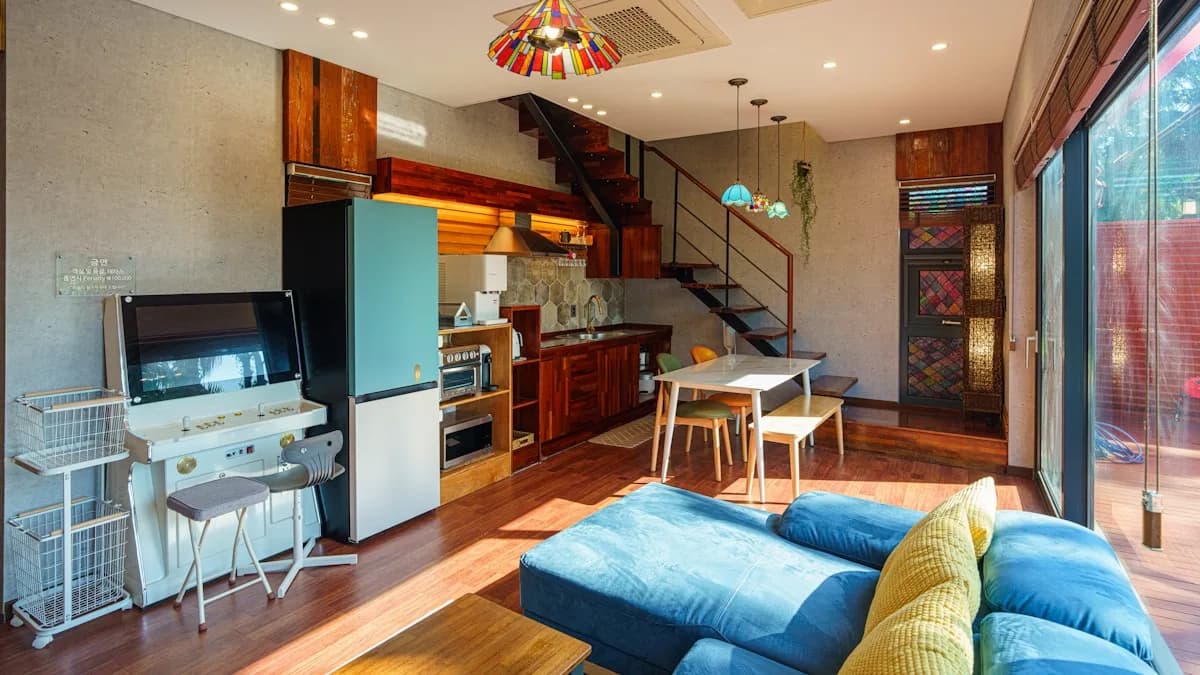
Classified meublé: 71% allowance (up to 188,700 EUR). Non-classified: 50% allowance (77,700 EUR). How to complete form 2042C Pro and common mistakes to avoid.
READY-MADE FRENCH STR DOCS
Get registered in 2 evenings.
French STR without the stress.
Instead of drafting documents from scratch (40+ hours) or paying a notaire (€2,000+), download ready-made templates compliant with Loi 2024-1039 (Loi Le Meur) and Code du Tourisme.
Filing a French tax return for meuble de tourisme income is one of the most complex administrative obligations facing non-resident foreign owners of French STR properties. In 2026, the rules have been consolidated following amendments introduced by the 2024 Finance Act and the Loi Le Meur. This guide explains both the micro-BIC and regime reel options in plain English, walks through form 2042C Pro box by box, and flags the most common mistakes made by non-resident hosts.
The Two Tax Regimes: Micro-BIC vs Regime Reel
All income from a French meuble de tourisme (furnished tourist rental) is taxed under the BIC (Benefices Industriels et Commerciaux) category, not as property income. The choice between micro-BIC and the regime reel is the most important tax decision you will make as an STR host.
| Regime | Applicable Property Type | Annual Income Ceiling | Flat Allowance | Actual Expenses Deductible? |
|---|---|---|---|---|
| Micro-BIC (classified) | Meuble classé (Atout France star rating) | 188,700 EUR | 71% | No |
| Micro-BIC (unclassified) | Meuble non classé | 77,700 EUR | 50% | No |
| Regime reel simplifié | All (by choice or above ceilings) | No ceiling | None | Yes (incl. depreciation) |
The micro-BIC regime applies automatically if your annual gross rental income (total receipts before any deduction) remains below the applicable ceiling. You do not need to opt in. The regime reel requires an explicit election, which must be filed with the tax authority before 1 February of the tax year (or at the time of the first tax return for a new activity). The election is binding for 2 years and renews automatically unless revoked.
Regime Reel: What Expenses Are Deductible
Under the regime reel, you can deduct all expenses directly related to the STR activity, including:
- Mortgage interest (intérets d'emprunt) on the acquisition loan
- Depreciation (amortissement) of the property structure: typically 2-4% per year on the building value (land is not depreciable)
- Depreciation of furniture and equipment: typically 20-33% per year (5-year life for furniture, 3 years for electronics)
- Property management fees (conciergerie, gestionnaire)
- Platform commissions (Airbnb, Booking.com)
- Insurance premiums (assurance meuble de tourisme)
- Taxe foncière (annual property tax)
- CFE (Cotisation Fonciere des Entreprises)
- Maintenance and repair costs
- Accountant fees
- Travel expenses for property inspection (subject to limits)
The combination of mortgage interest and annual depreciation often brings the taxable BIC income close to zero in the first years of ownership, creating either a nil tax liability or a reportable deficit (imputable against BIC income from other furnished lettings over 10 years).
Form 2042C Pro: Box-by-Box Guide for Meuble de Tourisme
The supplementary income tax return form 2042C Pro must be filed alongside the main form 2042 by all taxpayers with professional or quasi-professional non-salaried income, including LMNP (Loueur en Meuble Non Professionnel) hosts.
- Box 5ND (Declarant 1) / 5OD (Declarant 2): micro-BIC unclassified meuble de tourisme. Enter the total gross receipts (before any deduction). The 50% allowance is calculated automatically by the DGFIP. Do not enter net income.
- Box 5NG (Declarant 1) / 5OG (Declarant 2): micro-BIC classified meuble de tourisme. Enter total gross receipts. The 71% allowance is applied automatically. You must hold a valid Atout France classement certificate to use this box.
- Box 5NA (Declarant 1) / 5OA (Declarant 2): regime reel LMNP profit (benefice). Enter the net profit after all deductions, as calculated in form 2031 (filed separately).
- Box 5NY (Declarant 1) / 5OY (Declarant 2): regime reel LMNP deficit. Enter the reportable deficit (carried forward against future BIC income).
- Box 5KZ / 5LZ: social charges basis for non-residents under EEA agreements. Relevant if you are resident in the EEA and subject to the 17.2% social charges rather than the standard rate.
Non-Resident Specific Obligations
Non-resident property owners in France face additional obligations compared to French residents:
- Filing authority: non-residents file their French tax return with the Service des Impots des Particuliers Non-Residents (SIPNR), 10 rue du Centre, TSA 10010, 93465 Noisy-le-Grand Cedex. The SIPNR handles all correspondence for non-resident taxpayers.
- Minimum tax rate: non-residents are subject to a minimum income tax rate of 20% on French-source income up to 27,478 EUR (2026 threshold), and 30% on income above that threshold. This minimum rate applies even if the non-resident's marginal rate in their country of residence would be lower. The taxpayer can request the taux moyen (average rate) if the global rate based on worldwide income would be lower.
- Social charges for EEA residents: residents of EEA countries (including Germany, Netherlands, Spain, Italy, etc.) who are affiliates of a social security scheme in their country of residence pay social charges at 17.2% on French rental income. However, a refund of the 9.2% contribution sociale generalisee (CSG) portion may be available under EEA social security coordination rules.
- Social charges for UK residents post-Brexit: since 1 January 2021, UK residents who can demonstrate NHS affiliation (via a letter from HMRC or the NHS) pay social charges at the reduced rate of 7.5% (the prelevement de solidarite) rather than 17.2%. Without this proof, the full 17.2% applies.
- Form 2044 for long-term rental income: if you also own French property let on long-term residential leases, those revenues are declared separately on form 2044 (revenus fonciers), not on 2042C Pro.
Filing Deadlines in 2026
The French tax calendar for 2026 income (declared in 2027) includes the following key dates:
- Form 2031 (regime reel only): to be filed online before the 2nd working day following 1 May (approximately 3-4 May 2027). This is a separate filing from the 2042 and must be done first.
- Form 2042 and 2042C Pro (main tax return): for non-residents, the deadline is 15 July of the year following the tax year. French residents have staggered deadlines in May-June by department.
- CFE payment: 15 December each year. CFE notices are published online in November via the professional tax account (espace professionnel on impots.gouv.fr).
- Taxe foncière payment: 15 October (or 15 November for online payment) each year. Instalments are available from January to October via direct debit (mensualisaton).
Most Common Mistakes Made by Foreign Non-Resident Hosts
- Using the classified meuble box (5NG) without a valid Atout France certificate: this is a common error that inflates the deduction from 50% to 71% without legal basis. The DGFIP treats this as deliberate understatement, subject to a 40% penalty surcharge.
- Declaring net income (after platform fees) instead of gross income: in micro-BIC, always declare gross receipts. Platform fees are not deductible under the micro regime; they are covered by the flat allowance.
- Forgetting to aggregate income from all platforms: Airbnb, Booking.com and direct bookings must all be added together. The DGFIP receives DAC7 data from all major platforms and will identify discrepancies.
- Not filing form 2031 before the main return: under the regime reel, the 2031 must be filed first. Failing to file 2031 on time results in an automatic late-filing surcharge of 10%.
- Missing the SIPNR filing deadline: non-residents have until 15 July. Many assume they have the same deadline as French residents (end of May or early June), which is incorrect.
- Ignoring the CFE: the CFE is a separate tax, not included in the income tax return. It must be paid via the professional account on impots.gouv.fr by 15 December. Non-payment results in a 5% late payment penalty plus interest.
For a complete compliance and tax guide for non-resident owners of French meubles de tourisme, including registration, DPE, platform obligations and succession planning, visit HostReady.eu.
Don't want to search for templates and regulations on your own? The HostReady Package includes complete documentation, ready-to-use templates, and checklists - everything you need for CWTON registration and legal short-term rental, ready to use right after purchase.